Pets may add to what your duct system moves around, but no source we found measures how much dirtier ducts get in a pet home. What the AAFA says is that pet allergens spread through a house and that forced-air systems can carry them. The EPA says ducts are only one of many sources of particles.
Here's what to expect in this guide:
- What pets add to the air in your home
- What the EPA says about when cleaning ducts is worth considering
- Steps the AAFA and ACAAI list that may help, and what to do first
- How often we recommend cleaning in a home with pets
- What we clean, and what we don't
What Do Pets Add to the Air in My Home?
Mostly dander, saliva, and urine proteins, carried on fur. The AAFA says that with a pet allergy "you are not allergic to the pet's hair, fur, or feathers. You are allergic to the protein that is found in the pet's dander (dead skin cells) saliva, and urine," and that "The hair, fur, or feathers collect the dander. It can also carry other allergens like dust mites, mold, and pollen." Read the full AAFA pet allergy page for symptoms and treatment.
The ACAAI says all dogs and cats produce allergens, and that studies have not shown that either can be hypoallergenic. Dog allergen levels "are higher in the rooms where a dog is allowed." An allergist quoted by the ACAAI says cat dander is the smallest dander, so it "remains airborne for at least 30 minutes after you disturb it in the room."
Can My Heating and Cooling System Spread Pet Allergens?
It can. The AAFA says "Forced-air heating and air conditioning can spread allergens through your house." It also says pet allergens "can collect on furniture and other surfaces," may cling to walls, fabric furniture, and carpets, and can be stirred back into the air during "dusting, vacuuming, or other household activities."
That is a statement about the whole house, not about the inside of your ducts. The AAFA does not say how much dander ends up in ducts, and neither do the ACAAI or the EPA. We won't guess at a number.
What Does the EPA Say About Cleaning Ducts in a Home With Pets?
The EPA does not single out pets. It does not recommend cleaning ducts "except on an as-needed basis," and says "Duct cleaning has never been shown to actually prevent health problems." It also says "dirty air ducts are only one of many possible sources of particles that are present in homes."
The EPA's page, Should You Have the Air Ducts in Your Home Cleaned?, says to consider cleaning if:
- "There is substantial visible mold growth inside hard surface (e.g., sheet metal) ducts or on other components of your heating and cooling system."
- "Ducts are infested with vermin, e.g. (rodents or insects)."
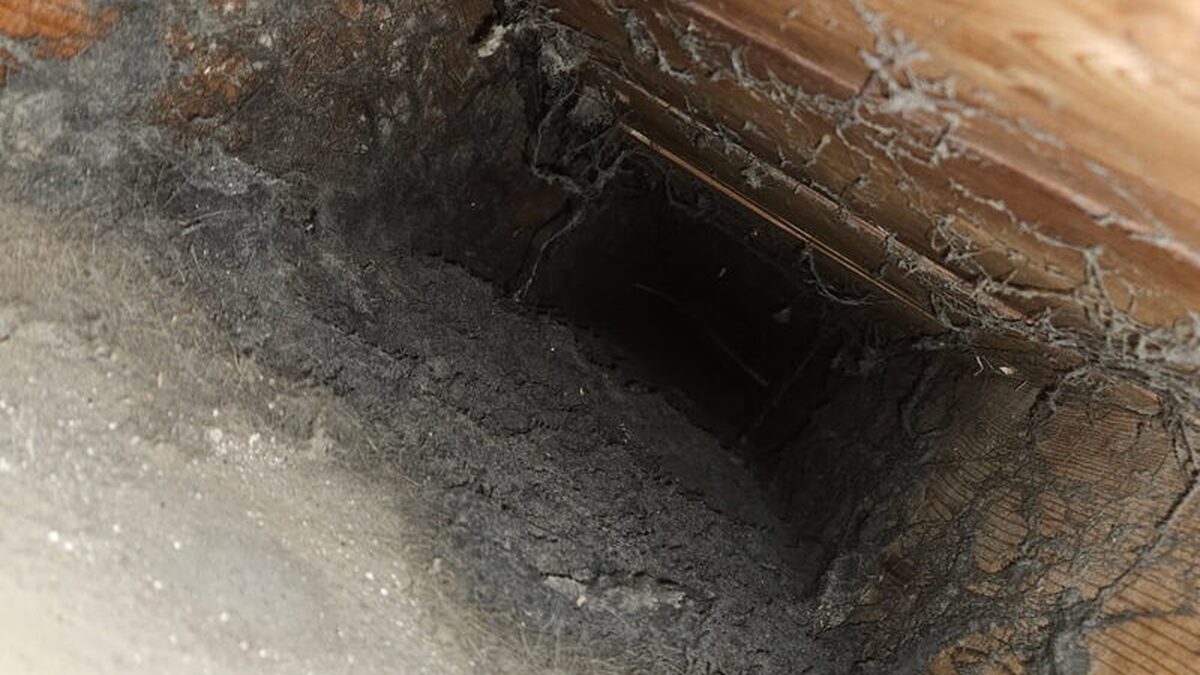
- "Ducts are clogged with excessive amounts of dust and debris and/or particles are actually released into the home from your supply registers."
A home with a heavy shedder could reach the third case. That is our reasoning, not an EPA statement. The EPA also says "It is normal for the return registers to get dusty," and that the registers "can be easily vacuumed or removed and cleaned."
What Can I Do First in a Pet Home?
Start with the filter and the pet, not the ducts. The EPA says "Change filters regularly" and "If your filters become clogged, change them more frequently." See what MERV filter to use in a furnace.
The AAFA and ACAAI list these steps, which may help keep allergen levels down:
- Keep pets out of bedrooms and off fabric furniture (AAFA).
- Bathe the pet weekly. The ACAAI says a weekly bath "can reduce airborne" allergen, and the AAFA says washing your pet every week "may reduce airborne allergens."
- Vacuum carpets and fabric furniture weekly with a HEPA-filter vacuum, and wipe hard surfaces with a damp cloth (AAFA).
- Run a HEPA air cleaner in a bedroom or living room. The ACAAI says this "can reduce allergen levels over time."
- Use a certified filter and/or HEPA filtration with your central system (AAFA).
Want to see what's in your ducts?
Request a free estimate — no obligation.
How Often Should a Pet Home Have Its Ducts Cleaned?
As a rule of thumb, we recommend every 3 to 5 years, and every 2 to 3 years for homes with pets, smokers, allergies, or recent renovations. That is our own recommendation, not the EPA's or the AAFA's. For a pet home, the EPA's conditions above are a better test than the calendar. The AAFA does say, for people who rehome a pet after allergy symptoms continue, to "Change air filters and consider cleaning air ducts," and notes that pet dander "can remain in a home for up to 6 months after the pet has been removed."
If someone in your home has pet allergies, the AAFA says to see a board-certified allergist for moderate to severe allergies. Duct cleaning is not a treatment.
What Does MedCity Clean, and What Don't We?
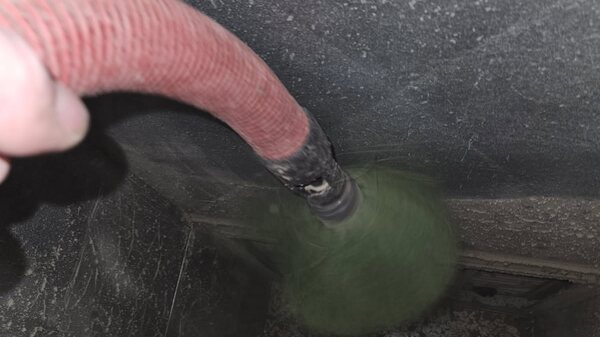
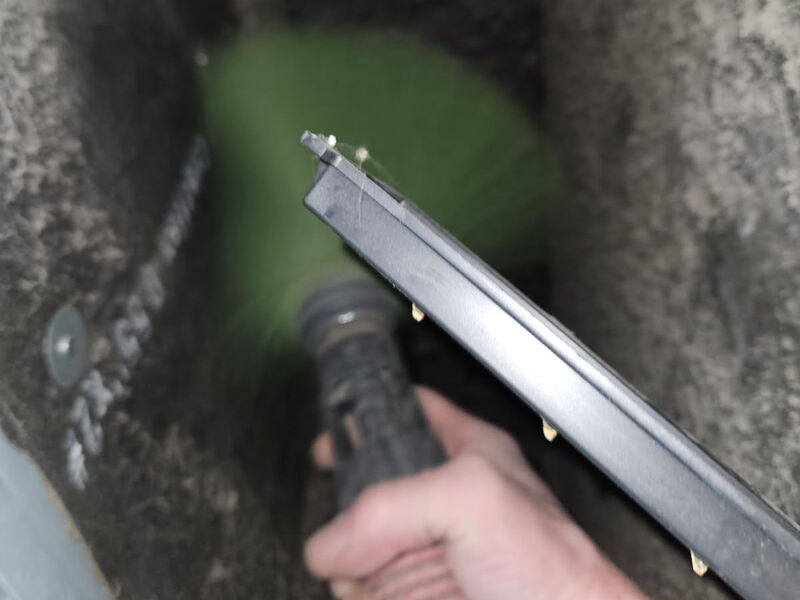
We clean the ductwork from the furnace out to the vents, and dryer vents. We use our Rotobrush system, a rotating brush paired with a HEPA-filtered vacuum. See our air duct cleaning page for details, or read is air duct cleaning worth it and how often should you clean air ducts. We do not clean the furnace blower or the evaporator coil; that needs a certified HVAC installer. We also do not test for allergens.
Frequently Asked Questions
Do pets make air ducts dirtier?
They may add to what your system moves around. The AAFA says pet allergens collect on furniture, carpets, and other surfaces and can be stirred back into the air, and that forced-air heating and air conditioning can spread allergens through your house. The EPA says dirty air ducts are only one of many possible sources of particles in homes.
How often should a home with pets have its ducts cleaned?
As a rule of thumb, we recommend every 3 to 5 years, and every 2 to 3 years for homes with pets, smokers, allergies, or recent renovations. That is our recommendation, not the EPA's. The EPA says to clean ducts as needed.
Will cleaning my ducts help my pet allergies?
We cannot promise that. The EPA says duct cleaning has never been shown to actually prevent health problems. If someone in your home has pet allergies, the AAFA and the ACAAI recommend working with an allergist, and they list steps such as HEPA vacuuming and keeping pets out of bedrooms.
Does my furnace filter matter more than duct cleaning in a pet home?
The filter is the easier place to start. The EPA says to change filters regularly and more often if they become clogged. The AAFA suggests a certified Asthma & Allergy Friendly filter and/or HEPA filtration with a central heating and air conditioning system to help remove pet allergens from the air.
Does MedCity Duct Cleaning clean the furnace blower or evaporator coil?
No. Cleaning the blower and evaporator coil needs a certified HVAC installer. We clean the ductwork from the furnace out to the vents, and dryer vents.
How does MedCity quote a duct cleaning?
We quote online or over the phone based on your home's details, and a walk-through the day of your appointment confirms the quote before we begin.
Have pets and wonder about your ducts? Read about air duct cleaning, request a quote online, or call us at (507) 289-4039.
Sources
- Pet Allergy, Asthma and Allergy Foundation of America (AAFA)
- Pet Allergies, American College of Allergy, Asthma and Immunology (ACAAI)
- Should You Have the Air Ducts in Your Home Cleaned?, U.S. Environmental Protection Agency
The MedCity Duct Cleaning Team
Locally owned and operated in Rochester, MN. We specialize in residential and commercial air duct and dryer vent cleaning using professional Rotobrush equipment.