
Why Does My Furnace Smell Like Burning Dust When I Turn On the Heat?
A burning dust smell during your furnace's first run of the season is usually just dust burning off the heat exchanger — but not always. Here's how to tell the difference.
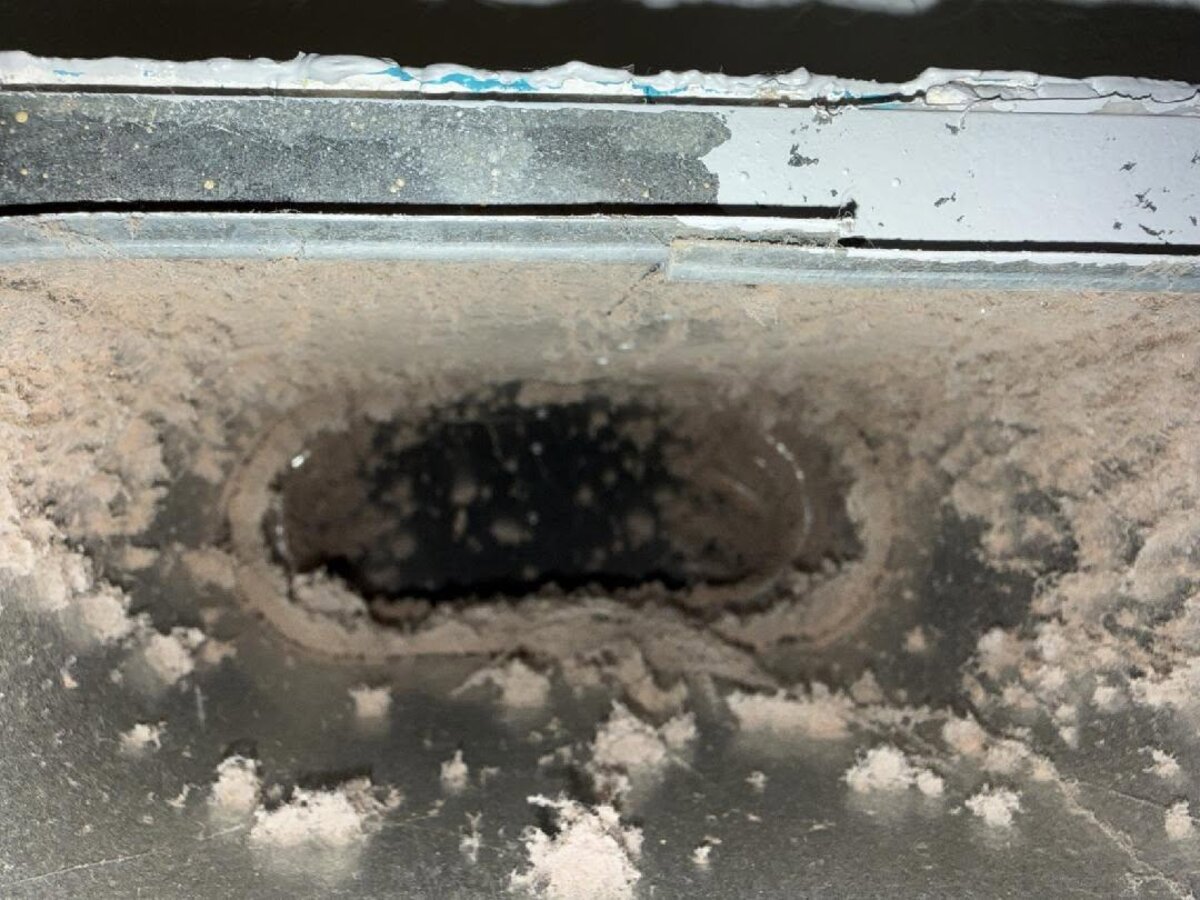
If you just fired up your furnace for the first time this fall and the house filled with a faint burning smell, you're not imagining it — and you're not alone. It's a common thing to notice when the heat comes on for the first time each fall.
In many cases, this is dust that settled on the heat exchanger and burners over the summer, burning off as the system heats up for the first time. It's unpleasant, but it's normal and it typically fades on its own during the first heating cycle or two.
Here's what to expect when you turn your furnace on for the first time this season:
- A faint burning or "hot dust" smell in the first cycle or two, especially near vents.
- Maybe a light haze or puff of dust from the registers when the blower first kicks on.
- The smell fading as the furnace keeps running, and gone entirely within a cycle or two.
- No smell at all by your second or third time running the heat.
That's the normal version. But a few smells are not normal, and those are worth knowing before you turn the furnace on again. Let's walk through both.
Want to see what's in your ducts?
Request a quote and we'll use a camera to show you what's in your ducts.
What Causes the Burning Dust Smell on Furnace Startup
Your furnace's heat exchanger and burners sit idle all spring and summer. During that time, dust settles on those surfaces — the same dust that circulates through your home's air and ductwork all year. The first time your furnace fires up in the fall, that dust hits a hot surface and burns off, which is what you're smelling.
The same thing can happen with a whiff of dust blowing out of your vents when the blower motor kicks on for the first time, especially if it's been months since air moved through that ductwork at full force.
Homes with more dust buildup in the ductwork may notice a stronger smell and more visible dust at the registers. That may be a sign the ducts themselves could use a cleaning, not just the furnace.
How Long the Smell Should Last
A normal dust burn-off smell should fade as the furnace runs and the dust finishes burning off. By the second or third heating cycle, it's usually gone completely. If you run the furnace again after that, you generally shouldn't smell it at all.
If it's still strong after the first few cycles, or if it comes back every single time the furnace cycles on rather than fading, that's a sign something other than a one-time dust burn-off is going on.
When It's Normal Dust Burn-Off
You can generally treat the smell as routine dust burn-off if:
- It's the first time you've run the heat this season.
- The smell is mild — more "dusty" or "hot" than sharp or chemical.
- It fades as the furnace runs and is gone within a cycle or two.
In this case, the smell generally clears on its own as the furnace runs.
Smells That Are Not Normal
Some smells are worth having an HVAC technician look at before you keep running the furnace.
- A burning smell that doesn't fade. If it's still strong after the first few cycles, or it gets worse instead of better, it's worth having an HVAC technician take a look. Something other than surface dust may be burning.
A gas or "rotten egg" smell is different from all of the above, and it's the one that matters most. Natural gas has no odor on its own, so gas companies add a harmless chemical called mercaptan to give it a distinctive "rotten egg" smell. If you smell this, the Minnesota Department of Public Safety advises:
- Get everyone out of the house right away.
- Don't turn any lights or appliances on or off.
- Don't try to open or close windows or shut off the gas yourself.
- Move a safe distance away, then call 911.
Connecticut's utility regulator also advises calling your gas company right away from a neighbor's phone.
While you're thinking about furnace safety, check your carbon monoxide (CO) alarms. The U.S. Consumer Product Safety Commission recommends battery-operated CO alarms, or CO alarms with battery backup, on every level of the home and outside sleeping areas, and checking the batteries regularly.
A gas smell is a gas utility and safety issue, not a duct cleaning issue. We want to be upfront about that. If that's what you're smelling, your gas company is who you need — not us.
Why a Dirty Furnace Filter Can Make It Worse
ENERGY STAR says a dirty filter can increase energy costs and damage your equipment, and it recommends inspecting, cleaning or changing furnace filters once a month. A clogged filter may also leave more dust in the system, which may make the burning smell more noticeable. Before your first heating cycle each fall, it's worth checking your filter.
Can Duct Cleaning Help Prevent This Next Year
If your registers puff visible dust when the blower kicks on, or the burning smell seems stronger than a mild whiff, that may be a sign of dust buildup in the ductwork itself, not just the furnace. Cleaning the ducts removes that accumulated dust before it has a chance to blow into your living space or settle back onto the furnace components over the following months.
It won't change the fact that a furnace generally has some smell on its very first startup of the season — that's the nature of the heat exchanger sitting idle all summer. But homes with clean ducts may notice a milder, shorter-lived smell and less visible dust from the vents, because there's simply less dust in the system to begin with.
We also recommend having your furnace itself professionally inspected each fall, separate from duct cleaning. The U.S. Fire Administration recommends having heating equipment cleaned and inspected each year by a professional, and ENERGY STAR recommends annual pre-season check-ups by a contractor. A yearly check-up can catch mechanical issues that duct cleaning doesn't address.
Frequently Asked Questions
Why does my furnace smell like burning dust when I turn on the heat?
Dust settles on your furnace's heat exchanger and burners over the spring and summer while the system sits idle. When you run the heat for the first time in the fall, that dust burns off the hot surfaces, producing a temporary burning smell. It's a common reason for this smell and generally isn't a cause for concern on its own.
How long does the burning dust smell usually last?
It typically fades during the first heating cycle and should be gone entirely within a cycle or two. If you run the furnace again after that, you shouldn't notice it at all. A smell that lingers past the first few cycles, or returns every time the furnace cycles, isn't typical dust burn-off.
Is it normal for this to happen every single year?
Yes, a mild version of this smell on the season's first startup can happen in many homes, even ones with clean ducts, simply because the heat exchanger sits unused all summer. Homes with dustier ductwork may notice a stronger version of it.
What if the smell doesn't go away after a few cycles?
It's worth having an HVAC technician take a look. A smell that lingers or intensifies rather than fading may point to something other than surface dust.
What if my furnace smells like gas instead of dust?
That's a different situation entirely. If you smell gas or a rotten egg smell, get everyone out of the home right away. Don't turn any lights or appliances on or off, and call 911 or your gas company once you're a safe distance away.
Will duct cleaning stop my furnace from smelling on startup?
It can reduce how noticeable it is by removing built-up dust from the ductwork itself, so there's less dust circulating through the system. It won't eliminate the very first startup smell entirely, since that's related to the furnace's heat exchanger, not the ducts, but a cleaner duct system may mean a milder, shorter smell and less visible dust from your vents.
If you're noticing more than a mild whiff every fall, or you just want peace of mind before winter, we use a camera to show you what's built up in your ducts. Request a quote online or call us at (507) 289-4039 to get on the schedule before the cold weather settles in.
Sources
- Heating Fire Safety, U.S. Fire Administration
- Maintenance Checklist, ENERGY STAR
- Homeowners, Minnesota Department of Public Safety
- What To Do If You Smell Natural Gas, Connecticut Public Utilities Regulatory Authority
- Carbon Monoxide, U.S. Consumer Product Safety Commission
The MedCity Duct Cleaning Team
Locally owned and operated in Rochester, MN since 2016. We specialize in residential and commercial air duct and dryer vent cleaning using professional Rotobrush equipment.