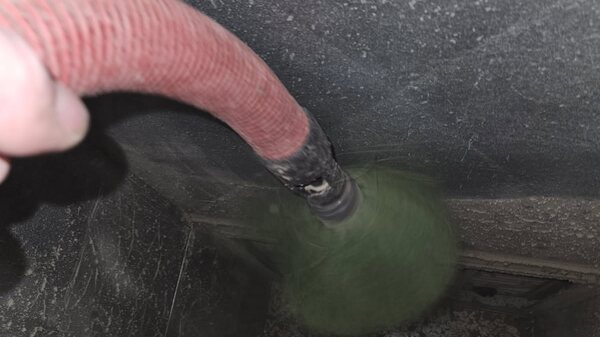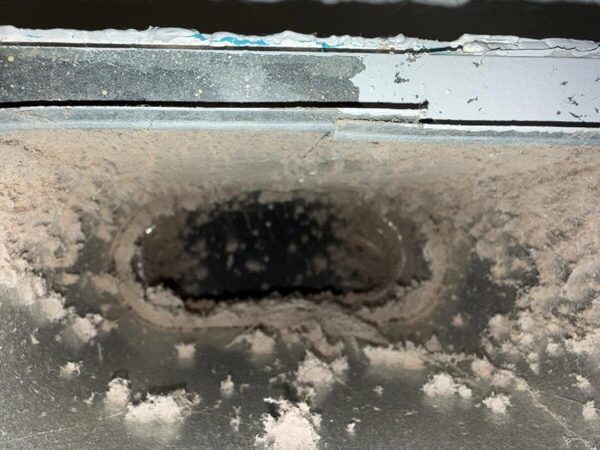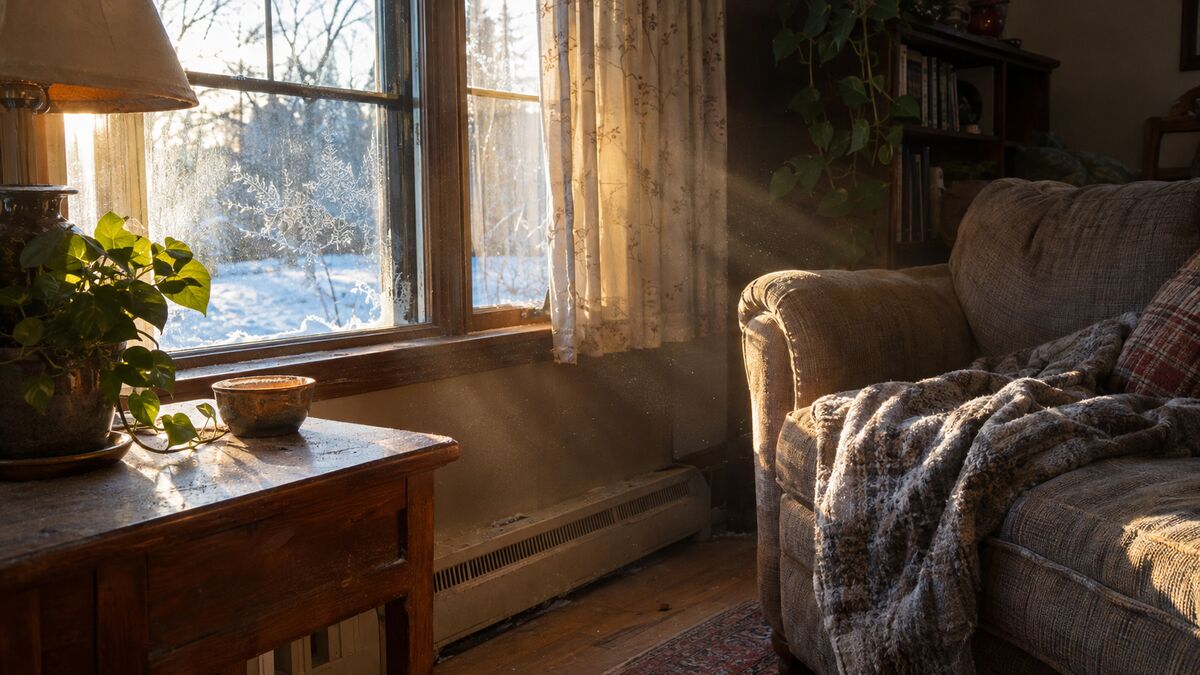
To lower dust in your house in winter, replace the furnace filter on schedule, vacuum weekly with a HEPA-filter vacuum, damp-clean floors and keep indoor humidity below 50 percent. Then check for leaky ducts. Duct cleaning is not the first step: the EPA says it is worth considering only when ducts are clogged with excessive dust and debris.
Here's what to expect in this guide:
- Why winter homes often feel dustier
- The furnace filter fixes that come first
- Cleaning habits that cut dust, and the humidity target
- When leaky or clogged ducts may be the cause
- What duct cleaning can and can't do about dust
Why Is My House So Dusty in Winter?
The windows stay shut and the furnace runs, so dust has nowhere to go. In Rochester and the rest of southeast Minnesota, that describes a lot of homes once the heating season starts. The EPA explains in its indoor air quality overview: "If too little outdoor air enters indoors, pollutants can accumulate to levels that can pose health and comfort problems."
The EPA also notes that "Furnace and HVAC filters work to filter the air only when the system is operating." In other words, the filter is working only while the furnace runs, and it has to be in good shape to do the job.
Does the Furnace Filter Make a Difference?
Yes, it is the easiest place to start. The EPA's guide to air cleaners says "All filters need regular replacement" and "If a filter is dirty and overloaded, it won't work well." Three steps:
- Replace it on schedule. The EPA says "Manufacturers typically recommend replacement every 60 to 90 days."
- Look at it. The EPA adds: "If you notice that filters appear heavily soiled when you replace them, you should consider changing them more frequently."
- Consider a higher rating. The EPA says to "Select a filter rated at least MERV 13 or as high as your system will accommodate." Check your furnace's manual first, because not every system can handle every filter.
The EPA's duct page gives the same advice in different words: "Use the highest efficiency air filter recommended by the manufacturer of your heating and cooling system."
What Cleaning Habits Cut Winter Dust?
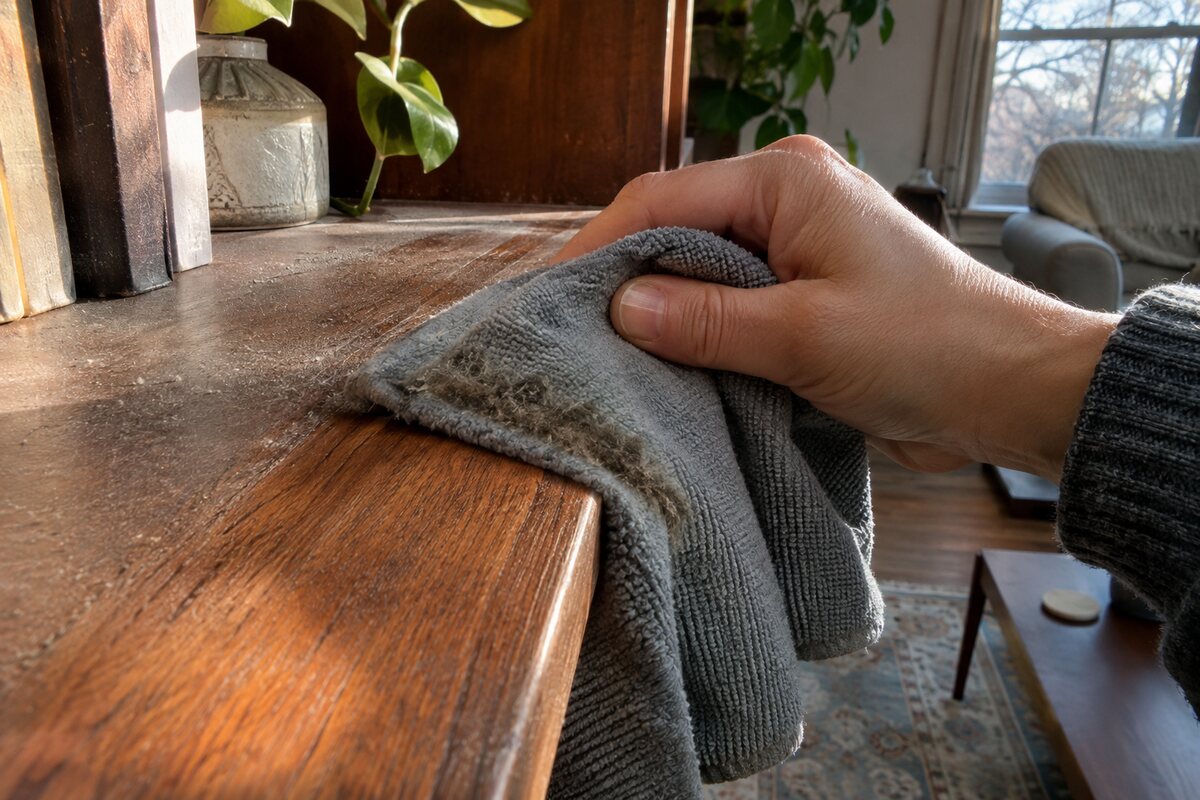
Regular, simple ones. The EPA says to "Remove dust and vacuum your home regularly." The American Lung Association (ALA) is more specific in its dust mite guidance:
- Vacuum weekly with a HEPA filter. The ALA says to "use a vacuum cleaner with a HEPA (High-Efficiency Particulate Air) filter weekly" if you have carpet, and to damp clean floors often.
- Wash bedding weekly. The ALA says to "Wash bedding in hot water (at least 120 degrees F) once a week to kill and wash away dust mites."
- Check humidity. The ALA says "Keep your home below 50 percent humidity" and suggests an inexpensive hygrometer to check it.
The ALA notes that dust mites "thrive in warm, humid settings." If you run a humidifier, a hygrometer is a simple way to check the number.
Could Leaky Ducts Be Adding Dust?
They may. ENERGY STAR lists "Your home has excessive dust" as a sign worth investigating, and says: "Leaky ducts can pull particles and air from attics, crawl spaces and basements and distribute them throughout your house." Its advice: "Sealing your ducts may be a solution."
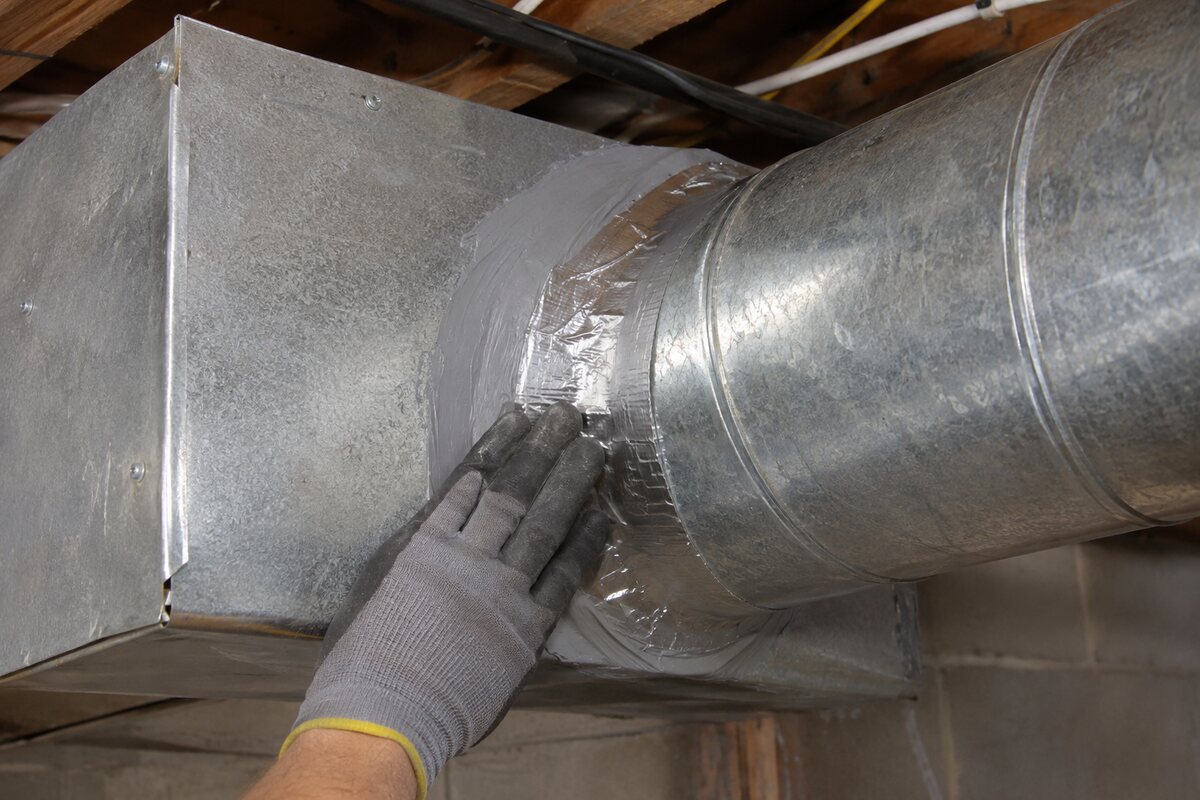
Sealing ducts is a job for a licensed HVAC contractor, so ask one if you suspect leaks.
Want to see what's in your ducts?
Request a free estimate — no obligation.
Will Duct Cleaning Lower Dust in My House?
It may help when the ducts are heavily clogged, but don't count on it as a cure. The EPA says "Duct cleaning has never been shown to actually prevent health problems." It also says studies do not conclusively demonstrate that dust levels in homes increase because of dirty ducts.
The EPA does list one situation that fits this topic: it says to consider cleaning if "Ducts are clogged with excessive amounts of dust and debris." If you can see heavy buildup at your registers, that may be your case. Our guide to whether air duct cleaning is worth it walks through the EPA's full list, and you can read about our air duct cleaning service.
Should I Seal My Registers or Use Sealants?
Seal registers only for dusty work, and skip duct sealants unless there is no alternative. The EPA says "During construction or renovation work that produces dust in your home, seal off supply and return registers." It also says "Do not permit the use of sealants except under unusual circumstances where other alternatives are not feasible."
What Can I Do Myself, and When Should I Call Someone?
Most of this you can do yourself: the filter, the vacuuming, the bedding and the humidity check. Call an HVAC company if you suspect leaky ducts or your system can't take a higher-rated filter. Call us if you can see a heavy layer of dust and debris in your ducts and want it looked at. For a burning smell when the furnace first starts up, see why a furnace smells like burning dust.
Frequently Asked Questions
How do I lower dust in my house in winter?
Start with the furnace filter, since the EPA says all filters need regular replacement and a dirty, overloaded filter won't work well. Then vacuum weekly with a HEPA-filter vacuum, damp-clean floors often and keep humidity below 50 percent.
Why is my house so dusty in winter?
Closed windows and a running furnace are a likely mix. The EPA says that when too little outdoor air enters, pollutants can accumulate. Leaky ducts may also add dust: ENERGY STAR says they can pull particles from attics, crawl spaces and basements and distribute them throughout your house.
Will cleaning my air ducts reduce dust?
Not necessarily. The EPA says studies have not conclusively shown that dirty ducts raise dust levels in homes. It does say to consider cleaning if ducts are clogged with excessive amounts of dust and debris.
How often should I change my furnace filter?
The EPA says manufacturers typically recommend replacement every 60 to 90 days. If the filter looks heavily soiled when you change it, the EPA suggests changing it more often.
What MERV rating should I use for a furnace filter?
The EPA says to select a filter rated at least MERV 13 or as high as your system will accommodate. Check your furnace manual or ask an HVAC technician first, because a higher-rated filter has to fit what your system can handle.
Do dust mites make winter dust worse?
They may. The American Lung Association says dust mites feed on dead human skin cells and thrive in warm, humid settings. It recommends keeping your home below 50 percent humidity and washing bedding weekly in hot water.
Will an air purifier help with dust in my house?
It may help in the room where it runs. The EPA says portable air cleaners are designed to filter the air in a single room or area, and to choose one with a clean air delivery rate (CADR) large enough for that room. The EPA also says no air cleaner or filter will eliminate all of the air pollutants in your home, so keep up the cleaning.
Can I seal leaky ducts myself?
Sometimes. ENERGY STAR says some homeowners take on duct sealing as a do-it-yourself project, using mastic sealant or metal tape on ducts they can reach, and never duct tape. It also says ducts are often concealed in walls, ceilings, attics and basements, which makes repairs difficult, and that many homeowners work with a professional contractor.
Is it better to dust with a damp cloth?
Yes. The American Lung Association says to dust regularly using something that can trap and lock dust, like a damp washcloth or microfiber cloth, to reduce the amount of dust stirred up. It also says to damp clean floors often, focusing on catching dirt and dust without wet mopping.
What humidity should I keep in my Minnesota house in winter?
It depends on the goal. To keep indoor surfaces dry, the Minnesota Department of Health suggests relative humidity between 20 and 40 percent in winter. To discourage dust mites, the American Lung Association says to keep your home below 50 percent humidity, and suggests an inexpensive hygrometer to measure it.
Seeing heavy dust at your registers? Learn about air duct cleaning, request a quote online or call us at (507) 289-4039.
Sources
- Should You Have the Air Ducts in Your Home Cleaned?, U.S. Environmental Protection Agency
- Guide to Air Cleaners in the Home, U.S. Environmental Protection Agency
- Introduction to Indoor Air Quality, U.S. Environmental Protection Agency
- Heating and Cooling: Replace, ENERGY STAR (U.S. EPA and U.S. Department of Energy)
- Dust Mites, American Lung Association
- Duct Sealing, ENERGY STAR (U.S. EPA and U.S. Department of Energy)
- Mold and Moisture, Minnesota Department of Health
The MedCity Duct Cleaning Team
Locally owned and operated in Rochester, MN. We specialize in residential and commercial air duct and dryer vent cleaning using professional Rotobrush equipment.