Deal with the mice first, then the ducts. The CDC says to call a professional rodent exterminating service when rodents have gotten into heating and cooling ventilation systems, and not to vacuum or sweep droppings. Once the mice are gone and the gaps are sealed, the EPA lists rodent-infested ducts as a reason to consider duct cleaning.
Here's what to expect in this guide:
- Why pest control comes before duct cleaning
- What you can safely clean up yourself
- How mice get into ductwork
- What Minnesota's health department says about hantavirus
- When duct cleaning makes sense afterward
Why Does Pest Control Come Before Duct Cleaning?
Because cleaning ducts that mice can still reach won't last. The CDC's guide to cleaning up after rodents says: "Contact a professional rodent exterminating service to remove rodents when there is evidence, they have accessed heating and cooling ventilation systems."
The EPA makes the same point about any duct problem. Its guide, Should You Have the Air Ducts in Your Home Cleaned?, says: "Prior to any cleaning, retrofitting, or replacing of your ducts, the cause or causes must be corrected or else the problem will likely recur." We believe that order matters: remove the mice, seal the way in, then clean.
Can I Clean Up Droppings at a Register Myself?
You can clean up droppings you can reach yourself, if you follow the CDC's steps. The one rule to remember: "Don't vacuum or sweep rodent urine, droppings, or nesting materials. This can cause tiny droplets containing viruses to get into the air."
The CDC's steps for urine and droppings:
- Open all doors and windows for 30 minutes before cleaning, and leave the area during that time.
- Put on rubber or plastic gloves.
- Spray the droppings with a household disinfectant or a bleach solution "until very wet." The CDC's bleach mix is 1.5 cups of household bleach in 1 gallon of water. Let it soak for 5 minutes or as the label says.
- Wipe up with paper towels and throw them in a covered garbage can.
- Wash your gloved hands, remove the gloves, then wash your hands with soap and warm water.
Don't reach a shop vacuum down the duct. For droppings or a nest deeper in the ductwork, the CDC's sealing guide says "You can contact a pest control specialist if rodents have gotten into areas that cannot be reached to clean."
How Do Mice Get Into Air Ducts?
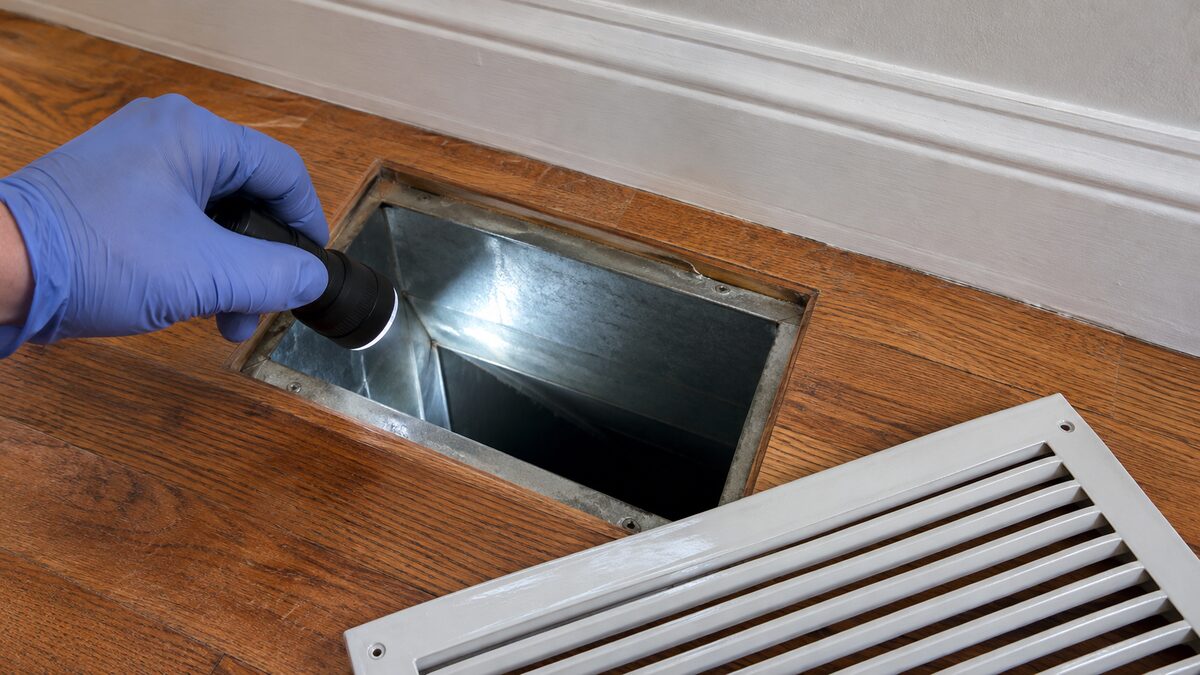
Through small gaps. The CDC says "Mice can fit through a hole the width of a pencil (1/4 inch or 6 millimeters in diameter)." Its list of places to check inside a home includes:
- Around floor air and dryer vents
- Around the pipes leading to water heaters and furnaces
- In the basement or crawl space
The CDC suggests steel wool with caulk or spray foam for small holes, and hardware cloth or metal sheeting for larger ones. If the ductwork itself is damaged or disconnected, call a heating and cooling contractor. That's repair work, and it isn't something we do.
You can clean up droppings you can reach yourself, if you follow the CDC's steps.
Should Minnesotans Worry About Hantavirus?
Take precautions, but the risk here is low. The Minnesota Department of Health says "Illnesses caused by hantavirus are very rare in Minnesota. Since 1999, there have been 2 hantavirus cases likely acquired in Minnesota."
The type of mouse matters too. MDH says "The common house mouse does not carry hantavirus," while the deer mouse is more likely found in fields, farms, out-buildings and winterized cabins. Its advice still applies to every home: "precautions should be taken when cleaning up rodent droppings or nests."
Want to see what's in your ducts?
Request a free estimate — no obligation.
When Does Duct Cleaning Make Sense After Mice?
After the pest problem is solved. The EPA says you should consider having your air ducts cleaned if "Ducts are infested with vermin, e.g. (rodents or insects)." That is one of only three cases it names; our guide to whether air duct cleaning is worth it covers the other two. The EPA is also clear that "Duct cleaning has never been shown to actually prevent health problems."
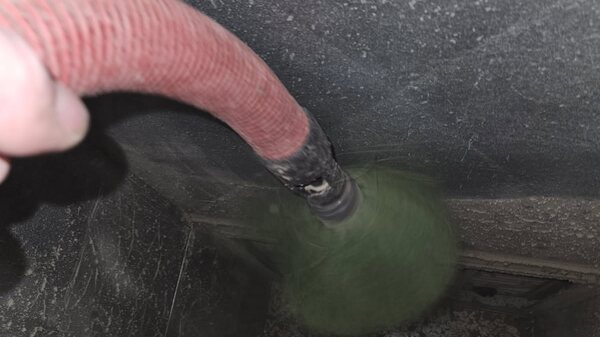
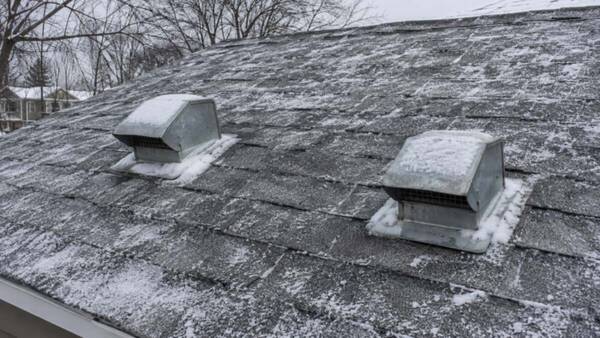
Our air duct cleaning covers the ductwork from the furnace to the rooms: supply and return runs, main trunk lines and registers, using a Rotobrush and a HEPA-filtered vacuum, register by register. We don't clean the furnace blower or the evaporator coil; that needs a certified HVAC installer. Mice don't only turn up in ducts, either. Birds and other small animals can nest in dryer vents, as our rooftop dryer vent guide explains.
Frequently Asked Questions
How do mice get into ductwork?
Through small gaps. The CDC says mice can fit through a hole the width of a pencil, about 1/4 inch, and lists floor air vents and the pipes leading to furnaces among the places to check.
Is it safe to run the furnace with mice in the ducts?
There is no simple yes or no that fits every home. The CDC says diseases are mainly spread to people from rodents when they breathe in contaminated air. Ask your pest control company, and a heating and cooling contractor, whether to keep the system running while the problem is handled.
Can I vacuum out the droppings myself?
No. The CDC says not to vacuum or sweep rodent droppings or nesting materials, because this can put tiny droplets containing viruses into the air. Spray them with disinfectant, let it soak for 5 minutes and wipe up with paper towels.
What is the dead-animal smell coming from my vent?
It may be a dead mouse somewhere in the ductwork, but a smell alone cannot tell you where. The CDC says you can contact a pest control specialist if rodents have gotten into areas that cannot be reached to clean.
Who comes first, pest control or duct cleaning?
Pest control. The CDC says to contact a professional rodent exterminating service first, and the EPA says the cause of a duct problem must be corrected before any cleaning, or the problem will likely recur.
Will MedCity clean ducts after mice?
Yes, once the pests are cleared. A pest control professional removes the mice and the entry points get sealed first. After that, we clean the ductwork. Our standard cleaning uses no chemicals. With this kind of job we recommend adding EnviroCON, an EPA-registered deodorizer (EPA Reg. No. 9804-3) whose label covers control of odors associated with animals and bacteria. It is an optional add-on applied after the ducts are cleaned, and it is not required.
Does the EPA recommend duct cleaning after rodents?
The EPA lists ducts infested with vermin, such as rodents or insects, as one of the cases where you should consider having your air ducts cleaned. It also says duct cleaning has never been shown to actually prevent health problems.
Do house mice carry hantavirus?
The Minnesota Department of Health says the common house mouse, the one that typically infests homes, does not carry hantavirus. It still advises precautions when cleaning up rodent droppings or nests.
Is hantavirus common in Minnesota?
No. The Minnesota Department of Health says illnesses caused by hantavirus are very rare in Minnesota, and that rodents here are much less likely to carry it than rodents in the western U.S.
Once the pests are cleared, we can get your ducts clean. Request a quote online or call us at (507) 289-4039.
Sources
- How to Clean Up After Rodents, Centers for Disease Control and Prevention
- How to Seal Up to Prevent Rodents, Centers for Disease Control and Prevention
- Should You Have the Air Ducts in Your Home Cleaned?, U.S. Environmental Protection Agency
- Hantavirus, Minnesota Department of Health

The MedCity Duct Cleaning Team
Locally owned and operated in Rochester, MN. We specialize in residential and commercial air duct and dryer vent cleaning using professional Rotobrush equipment.