
Can You Clean a Rooftop Dryer Vent in Winter?
If your dryer vents through the roof, the time to book a cleaning is before the snow, not after.
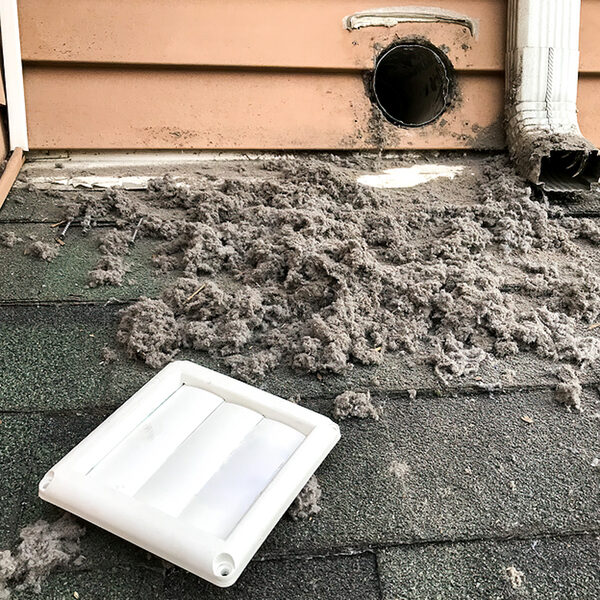
Not once snow covers the roof. MedCity Duct Cleaning in Rochester, MN can't safely clean a rooftop dryer vent again until spring, so book before the snow. A vent left clogged all winter may make your dryer run longer, and the U.S. Fire Administration says skipping dryer vent cleaning puts you at higher risk of a dryer fire.
Here's what to expect in this guide:
- Why a rooftop dryer vent shouldn't wait for a snowy roof
- The signs a rooftop vent may be clogged
- What you can safely do yourself this winter, and what you shouldn't
- What townhome and condo owners and property managers should plan for
- How to book a cleaning before the snow
Why Can't a Rooftop Dryer Vent Wait Until It Snows?
Because once snow is on the roof, we can't safely clean rooftop dryer vents until spring. A vent that's clogged when the first snow falls may stay clogged all winter.
That timing matters. The U.S. Fire Administration (USFA) found that clothes dryer fire incidence in residential buildings "was higher in the fall and winter months, peaking in January at 11 percent." Failure to clean, at 34 percent, was the leading factor contributing to those fires. The USFA explains that lint "is a highly combustible material that can accumulate both in the dryer and in the dryer vent," and that accumulated lint reduces airflow and can pose a fire hazard.
The USFA's dryer safety flyer puts it simply: "You are at higher risk of having a clothes dryer fire if you don't clean your lint filter and dryer vents."
How Can You Tell If a Rooftop Dryer Vent Is Clogged?
Start with your laundry. A rooftop vent is hard to see from the ground, so the clues usually show up inside the house first. The U.S. Consumer Product Safety Commission (CPSC) lists these signs:
- Damp clothes or longer cycles. If clothing is still damp at the end of a typical cycle, or drying takes longer than normal, the CPSC says the lint screen or the exhaust duct may be blocked.
- No air at the outside vent. The CPSC says to check the outside vent while the dryer is running to make sure exhaust air is escaping. If it isn't, the vent or duct may be blocked.
- A flap that doesn't open. The USFA says to make sure the outdoor vent covering opens when the dryer is operating.
Lint isn't the only culprit. The USFA notes that dryer vents can also be blocked by "the nests of small birds or other animals" or by damage to the venting system. For more warning signs, see our guide to dryer vent fire warning signs.
What Can You Safely Do Yourself This Winter?
Everything that happens indoors. These steps from the USFA and CPSC don't need a ladder:
- Clean the lint filter before and after each cycle, and never run the dryer without one (USFA).
- Clean behind the dryer, where lint can build up (USFA and CPSC).
- Check the venting behind the dryer to make sure it isn't damaged, crushed or restricted (USFA).
- If the duct behind your dryer is plastic or foil accordion-type, the CPSC recommends replacing it with rigid or corrugated semi-rigid metal duct, which "provides maximum airflow."
What not to do: climb onto a snowy or icy roof. The Occupational Safety and Health Administration (OSHA) warns that "snow covered rooftops can hide hazards such as skylights that workers can fall through," and recommends snow removal methods that don't involve going on roofs when possible. That advice is written for workers, and it's a sensible rule for homeowners too.
When Should You Call a Pro?
When the signs point past the lint filter. If loads still take longer than normal after you've cleaned the filter and checked the duct behind the dryer, the rest of the vent run, up to the roof, may need a full cleaning. That's a job for a professional with the right equipment, and for a rooftop vent, it's a job to book before the snow.
If the roof is already snow-covered, keep up the indoor steps above and schedule the cleaning for spring. Learn more about our dryer vent cleaning service, which offers flat-rate pricing for both side-vent and rooftop dryer vent cleaning.
What Should Townhome and Condo Owners and Property Managers Plan For?
Plan rooftop vents first. In townhomes and condo buildings where dryers vent through the roof, every one of those vents runs on the same snow deadline.
- Owners: check with your association about who is responsible for the rooftop vent before you book.
- Property managers: schedule rooftop units before snow, and ask residents to report clothes that take longer than normal to dry.
- Residents: keep cleaning the lint filter every load, whoever owns the roof.
What Does This Mean for Rochester-Area Homes?
In Rochester and the surrounding southeast Minnesota towns, snow on the roof means rooftop dryer vent cleaning waits until spring. If your dryer vents through the roof, fall is the window. While you're thinking about winter vents, our guide to snow blocking a furnace or dryer vent covers the vents on your walls.
Frequently Asked Questions
Can you clean a rooftop dryer vent when there is snow on the roof?
No. Once snow is on the roof, MedCity Duct Cleaning can't safely clean rooftop dryer vents until spring. If your dryer vents through the roof, book the cleaning before the snow arrives.
How can I tell if my rooftop dryer vent is clogged?
Watch your drying times. The U.S. Consumer Product Safety Commission says clothes that are still damp at the end of a typical cycle, or loads that take longer than normal, may be a sign that the lint screen or the exhaust duct is blocked.
Are dryer fires more common in winter?
Yes. The U.S. Fire Administration found that clothes dryer fires in residential buildings were higher in the fall and winter months, peaking in January at 11 percent. Failure to clean was the leading factor in those fires, at 34 percent.
What can I do about a rooftop dryer vent until spring?
Keep up the indoor steps. Clean the lint filter before and after each cycle, clean behind the dryer, and check that the venting behind the dryer isn't damaged, crushed or restricted, as the U.S. Fire Administration advises. Then book a full vent cleaning once the roof is clear.
Should I climb onto a snowy roof to clear the vent myself?
No. OSHA warns that snow-covered rooftops can hide hazards such as skylights that workers can fall through, and it recommends snow removal methods that don't involve going on roofs when possible. A dryer vent isn't worth a fall.
Is your dryer vent on the roof? Book before the snow. Request a quote online or call us at (507) 289-4039.
Sources
- Clothes Dryer Fire Safety, U.S. Fire Administration
- Clothes Dryer Fires in Residential Buildings (2008–2010), U.S. Fire Administration
- Overheated Clothes Dryers Can Cause Fires, U.S. Consumer Product Safety Commission
- Winter Weather - Hazards/Precautions, Occupational Safety and Health Administration
The MedCity Duct Cleaning Team
Locally owned and operated in Rochester, MN. We specialize in residential and commercial air duct and dryer vent cleaning using professional Rotobrush equipment.