
Is Snow Blocking My Furnace or Dryer Vent Dangerous?
After a big snowfall or a windy night, the vents outside your house are worth a quick look.
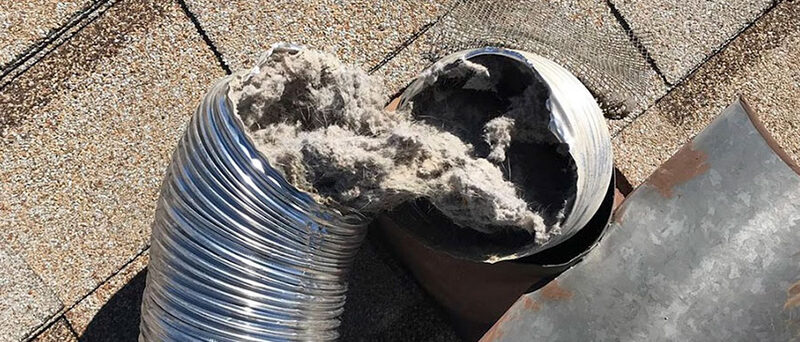
Yes. Snow covering a furnace or dryer vent can be dangerous. A blocked vent can keep exhaust gases, including carbon monoxide (CO), from leaving your home, and a buried furnace vent can cause the furnace to lock out. Minnesota's State Fire Marshal advises clearing snow and debris from furnace, dryer, fireplace and oven vents in winter.
Here's what to expect in this guide:
- Why snow on a furnace or dryer vent is a problem
- How to spot a blocked vent, and how to clear one safely
- The warning signs of CO poisoning and exactly what to do if your CO alarm goes off
- Where CO alarms belong in your home
- What you can handle yourself, and when to call 911, your gas utility or an HVAC technician
Why Is a Snow-Blocked Vent a Problem?
Xcel Energy explains that exhaust vents "provide a clear opening for exhaust gases to vent to the outside and prevent the buildup of carbon monoxide, a dangerous gas that can cause death."
Furnace vents. CenterPoint Energy recommends keeping snow and ice clear from "the furnace intake and exhaust vents on the side of your house," and says keeping them open "helps reduce the risk of CO backup and system lockout during winter months."
Dryer vents. The Minnesota State Fire Marshal lists dryer vents alongside furnace, fireplace and oven vents as ones to clear of snow and debris to prevent a CO buildup. Lint matters too: CenterPoint notes that lint can build up in a dryer's exhaust system, and that when lint traps heat, the dryer may overheat, which may increase the risk of a fire.
How Can You Tell If a Vent Is Blocked?
The simplest way is to go outside and look. After a snowfall or a windy night, walk around the house and check that every vent opening on the walls is uncovered. Don't forget the roof edge: Xcel Energy notes that "accumulating snow on the roof can fall and bury meters and clog vent openings."
A furnace that stops heating during a storm may also be a clue. If a CO alarm is sounding, skip the vent check and follow the emergency steps below.
How Do You Clear Snow From a Vent Safely?
Gently, with a brush. Xcel Energy advises: "Gently remove snow or ice with a brush from the natural gas meter, any associated piping and external appliance vents." It also says to avoid using a snow blower near a meter.
- Brush snow away from the vent opening and around it.
- Check your furnace's installation manual for how much clearance its vents need from the ground and from snow.
- If a vent is on the roof or out of safe reach, don't climb. Xcel Energy says to use precautions to clear roof snow safely "or hire a professional." (Rooftop dryer vents in winter are a topic of their own.)
If the furnace still won't run after the vents are clear, call an HVAC technician.
What Are the Warning Signs of Carbon Monoxide?
You can't see or smell it. The CDC calls carbon monoxide "an odorless, colorless gas that kills without warning," and the Minnesota State Fire Marshal says the only way to detect it is with a CO alarm.
The State Fire Marshal lists these common signs of CO poisoning: headache, fatigue, confusion, nausea, vomiting, weakness and shortness of breath. The Minnesota Department of Health (MDH) says the symptoms are similar to the flu; one clue pointing to CO is feeling better when you're away from home. The CDC warns that people who are sleeping can die from CO poisoning before they have symptoms.
What Should You Do If Your CO Alarm Goes Off?
Get out first, then call. The Minnesota State Fire Marshal says: "If a CO alarm sounds, evacuate immediately and call 911 from outside your home." The U.S. Consumer Product Safety Commission (CPSC) gives the same order if you suspect CO poisoning: get outside to fresh air immediately, then call 911.
MDH says not to ignore a sounding CO alarm. If people in the home have symptoms, leave the building immediately and call your local fire department. If everyone feels fine, MDH says to call your local gas utility company or a qualified technician to find the cause.
Where Should CO Alarms Go?
Near every sleeping area, and on every level. The State Fire Marshal says to install CO alarms within 10 feet of each sleeping room or inside each sleeping room, test them monthly, change the batteries at least once a year and replace alarms every five to seven years. The CPSC recommends alarms on every level of the home and outside sleeping areas. Minnesota law also requires CO alarms in homes, which MDH explains on its CO page. Follow your alarm's instructions for placement.
Why Does This Matter for Rochester-Area Homes?
Because CO poisoning cases rise in winter. MDH notes that CO poisoning cases are higher during the winter months, and the State Fire Marshal counts 14 people who die from CO poisoning in Minnesota each year. In Rochester and the surrounding southeast Minnesota towns, a vent check after each snowfall is a habit worth building, along with the yearly inspection the State Fire Marshal recommends: "Have fuel-burning heating equipment and chimneys inspected by a professional every year before cold weather sets in."
What Can You Do Yourself, and When Should You Call Someone?
Clearing snow from a vent you can reach from the ground is a homeowner job. Beyond that:
- CO alarm sounding or CO symptoms: leave the house and call 911 from outside.
- Alarm sounded but everyone feels fine: call your gas utility or a qualified technician, per MDH.
- Furnace won't restart after the vents are clear: call an HVAC technician.
- Dryer vent overdue for cleaning: lint may be building up inside it. That's where we come in.
To be clear, MedCity Duct Cleaning doesn't repair furnaces or respond to CO emergencies, and cleaning a dryer vent or air ducts doesn't replace a working CO alarm. What we do is dryer vent cleaning and air duct cleaning. See our guides to dryer vent warning signs and a furnace that smells like burning dust.
Frequently Asked Questions
Can snow blocking a furnace vent cause carbon monoxide poisoning?
It can raise the risk. CenterPoint Energy says keeping furnace intake and exhaust vents clear of snow and ice helps reduce the risk of CO backup and system lockout. If your CO alarm sounds, the Minnesota State Fire Marshal says to evacuate immediately and call 911 from outside your home.
Why did my furnace shut off during a snowstorm?
A snow-covered intake or exhaust vent is one possible cause, since CenterPoint Energy links blocked furnace vents to system lockout. Brush any snow off the vents outside. If the furnace still won't run, call an HVAC technician.
Should I clear snow from my dryer vent?
Yes. The Minnesota State Fire Marshal lists dryer vents, along with furnace, fireplace and oven vents, as vents to clear of snow and debris in winter to prevent a CO buildup.
How should I remove snow from around a vent?
Gently, with a brush. Xcel Energy recommends gently removing snow or ice with a brush from external appliance vents and avoiding a snow blower near the gas meter. If a vent is on the roof or out of safe reach, hire a professional rather than climbing.
What should I do if my CO alarm goes off?
Get everyone out, then call 911 from outside. The Minnesota State Fire Marshal says to evacuate immediately and call 911 from outside your home. The Minnesota Department of Health adds that if everyone feels fine, you can call your gas utility or a qualified technician to find the cause.
If your dryer vent is overdue for a cleaning, we can help before the snow piles up. Request a quote online or call us at (507) 289-4039.
Sources
- Carbon Monoxide Poisoning, Minnesota Department of Public Safety, State Fire Marshal
- Carbon Monoxide (CO) Poisoning in Your Home, Minnesota Department of Health
- Carbon Monoxide Poisoning Basics, Centers for Disease Control and Prevention
- Carbon Monoxide, U.S. Consumer Product Safety Commission
- Appliance Safety, CenterPoint Energy
- Keep Meters and Exhaust Vents Clear of Ice and Snow, Xcel Energy
The MedCity Duct Cleaning Team
Locally owned and operated in Rochester, MN since 2016. We specialize in residential and commercial air duct and dryer vent cleaning using professional Rotobrush equipment.