
Do I Need a Carbon Monoxide Detector in Minnesota?
Short answer: yes, and it is the law. Here is what Minnesota requires, what renters and new Rochester residents should know, and what to do if an alarm goes off.
Yes. Minnesota law (Minn. Stat. § 299F.51) requires every single-family home and every unit in a multifamily building to have an approved, working carbon monoxide alarm within 10 feet of each room used for sleeping. Renters are covered too: in apartments, the owner must provide and install the alarm.
Carbon monoxide (CO) is an odorless, colorless gas formed by the incomplete combustion of fuels, according to the Minnesota Department of Health. Because you cannot see, smell or taste it, an alarm is the only way to know it is there.
Here is what to expect in this article:
- What the Minnesota law requires, and what counts as an "approved" alarm.
- What the law means if you rent, or just moved into an older Rochester home.
- How to test and replace your alarms.
- What to do if an alarm sounds, and who to call for appliance problems.
- Where a clear dryer vent fits in.
Questions about your dryer vent or ducts?
Request a quote or call us. We clean dryer vents and air ducts, and we will tell you plainly what falls outside our work.
What Does Minnesota Law Require for Carbon Monoxide Alarms?
Minnesota requires an approved and operational CO alarm within 10 feet of each room lawfully used for sleeping, in every single-family home and in every dwelling unit of a multifamily building. That is the wording of Minn. Stat. § 299F.51. The Minnesota Department of Health summarizes it the same way: at least one working alarm within 10 feet of every bedroom.
"Within 10 feet of each bedroom" matters. If the bedrooms in your home are far apart, one alarm may not be enough, because each sleeping room has to be within 10 feet of an alarm.
"Approved" means certified by a nationally recognized testing laboratory to the UL 2034 standard, per Minn. Stat. § 299F.50. Plug-in, hardwired, or battery alarms attached to the wall all count as installed.
One more rule people miss: no one may remove the batteries from a required alarm or otherwise disable it. A first violation of the law brings a safety warning rather than a penalty. A second or later violation is a petty misdemeanor.
This is a plain-language summary, not legal advice; read the law itself at Minn. Stat. § 299F.51.
What If I Rent or Just Moved to Rochester?
If you rent in a multifamily building, your landlord has to provide and install the alarm within 10 feet of each bedroom. The statute also says the owner must replace a required alarm that was stolen, removed, missing or disabled during a prior occupancy and not replaced before a new tenant moves in. If you find no alarm, ask the owner.
If you just bought or moved into an older home, do not assume the alarms already there work. Check that each bedroom has an alarm within 10 feet, press the test button, and look at the manufacturer's replacement date. A quick walk-through on move-in day takes only a few minutes.
Why Does Carbon Monoxide Matter in a Minnesota Home?
Furnaces are among the appliances involved. The State Fire Marshal notes that CO is created when fuels burn incompletely in furnaces, generators, car engines, stoves, clothes dryers and many other common appliances. The Minnesota Department of Health says homes with fuel-burning appliances or attached garages are more likely to have CO problems.
The CDC lists the most common symptoms of CO poisoning as headache, dizziness, weakness, upset stomach, vomiting, chest pain and confusion. The State Fire Marshal says the signs are similar to the flu. People who are sleeping can die from CO poisoning, which is one reason the law ties alarms to bedrooms.
How Do I Install, Test and Replace a CO Alarm?
Follow the manufacturer's instructions for placement, and note the suggested replacement date. The Minnesota Department of Health asks for exactly that, and no source we reviewed gives a single mounting height that fits every alarm. The rest is routine:
- Cover every level. The Consumer Product Safety Commission recommends battery-operated alarms, or alarms with battery backup, on every level of the home and outside sleeping areas.
- Test monthly. The U.S. Fire Administration says to test CO alarms at least once a month.
- Check batteries twice a year. The CDC suggests checking them when you change the clocks each spring and fall.
- Replace on schedule. The CDC says to replace a CO detector following the manufacturer's instructions or every 5 years. The State Fire Marshal's chart says devices that become inoperable or sound end-of-life signals shall be replaced.
What Should I Do If My CO Alarm Goes Off?
Get outside to fresh air right away, then call 911. That is the Consumer Product Safety Commission's advice if you suspect CO poisoning, and the health department says that if anyone has symptoms, you should leave the building immediately and call your local fire department.
DIY or Pro: Who Handles What?
You can handle the alarms yourself. Buying, installing, testing and replacing CO alarms is a homeowner job.
Fuel-burning appliances are different. The Minnesota Department of Health says to have your furnace and other fuel-burning appliances checked by a qualified heating contractor every year, and that these appliances should be vented to the outside. That work belongs to an HVAC or heating contractor, or your gas utility.
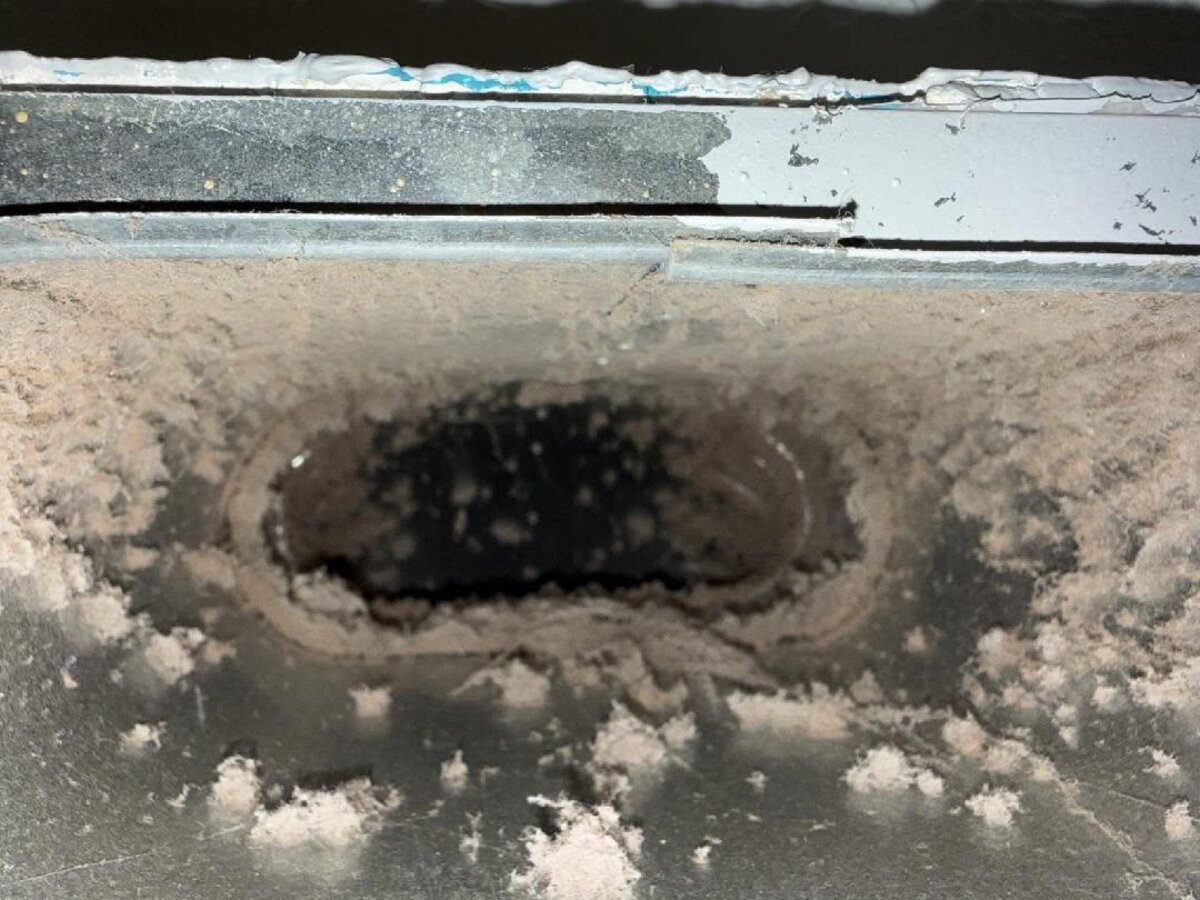
To be clear about our part: MedCity Duct Cleaning does not install, sell or test CO alarms, and we do not inspect or service furnaces or other fuel-burning appliances. What we do is clean air ducts and dryer vents. The U.S. Fire Administration says to make sure the vents for your furnace, stove, fireplaces and dryers are clear of snow and other debris. Keeping your dryer vent clear is part of that, and if lint has built up in yours, our dryer vent cleaning service removes it.
Frequently Asked Questions
Is a carbon monoxide detector required by law in Minnesota?
Yes. Minnesota law requires an approved, working carbon monoxide alarm within 10 feet of each room used for sleeping in every single-family home and every unit in a multifamily building. Hotel and lodging-house guest rooms need one in each sleeping room.
Does my landlord have to provide a carbon monoxide detector in Minnesota?
In a multifamily building, yes. The owner must provide and install an alarm within 10 feet of each bedroom, and replace one left missing or disabled by a prior tenant before you move in. Tenants must keep the alarm in good repair and replace it if it goes missing or stops working during their stay.
Can I use a combination smoke and CO alarm in Minnesota?
Yes, if it is listed to both UL 217 and UL 2034. The State Fire Marshal lists such combination alarms as approved.
How often should I replace a carbon monoxide alarm?
Follow the manufacturer instructions. The CDC says to replace a CO detector following those instructions or every 5 years, and the Minnesota Department of Health says the typical lifespan is 5 to 7 years, varying by manufacturer. Replace any alarm that stops working or sounds an end-of-life signal.
What should I do if my carbon monoxide alarm goes off?
Get outside to fresh air right away, then call 911. If anyone has symptoms, leave the building immediately and call the fire department. If everyone feels fine, call your gas utility or a qualified technician to find the cause.
Can I take the battery out of my carbon monoxide alarm?
No. Minnesota law says no person shall remove batteries from, or in any way render inoperable, a required carbon monoxide alarm. If an alarm chirps for a low battery or end of life, replace the battery or the alarm.
Dryer vents and ducts are our specialty. If it has been a while, request a quote online or call us at (507) 289-4039.
Sources
- Minnesota Statutes 299F.51: Carbon Monoxide Alarms, Office of the Revisor of Statutes, State of Minnesota
- Minnesota Statutes 299F.50: Definitions, Office of the Revisor of Statutes, State of Minnesota
- Carbon Monoxide Detection in Residential Occupancies, Minnesota State Fire Marshal
- SFM Highlights Statewide Carbon Monoxide (CO) Awareness Campaign, Minnesota State Fire Marshal
- Carbon Monoxide (CO), Minnesota Department of Health
- Carbon Monoxide Poisoning Basics, Centers for Disease Control and Prevention
- Carbon Monoxide Information Center, U.S. Consumer Product Safety Commission
- Carbon Monoxide, U.S. Fire Administration
The MedCity Duct Cleaning Team
Locally owned and operated in Rochester, MN since 2016. We specialize in residential and commercial air duct and dryer vent cleaning using professional Rotobrush equipment.