Usually not. The EPA does not recommend cleaning air ducts except on an as-needed basis, but it may be worth it if the ducts end up clogged with excessive dust and debris, or if there is substantial visible mold or vermin.
Here's what to expect in this guide:
- What the EPA says about construction dust and duct cleaning
- How to protect your ducts while the work is going on
- Signs a cleaning may be worth it after a remodel
- What a professional cleaning involves, and what we don't do
- Answers to common questions
What Does the EPA Say About Construction Dust and Ducts?
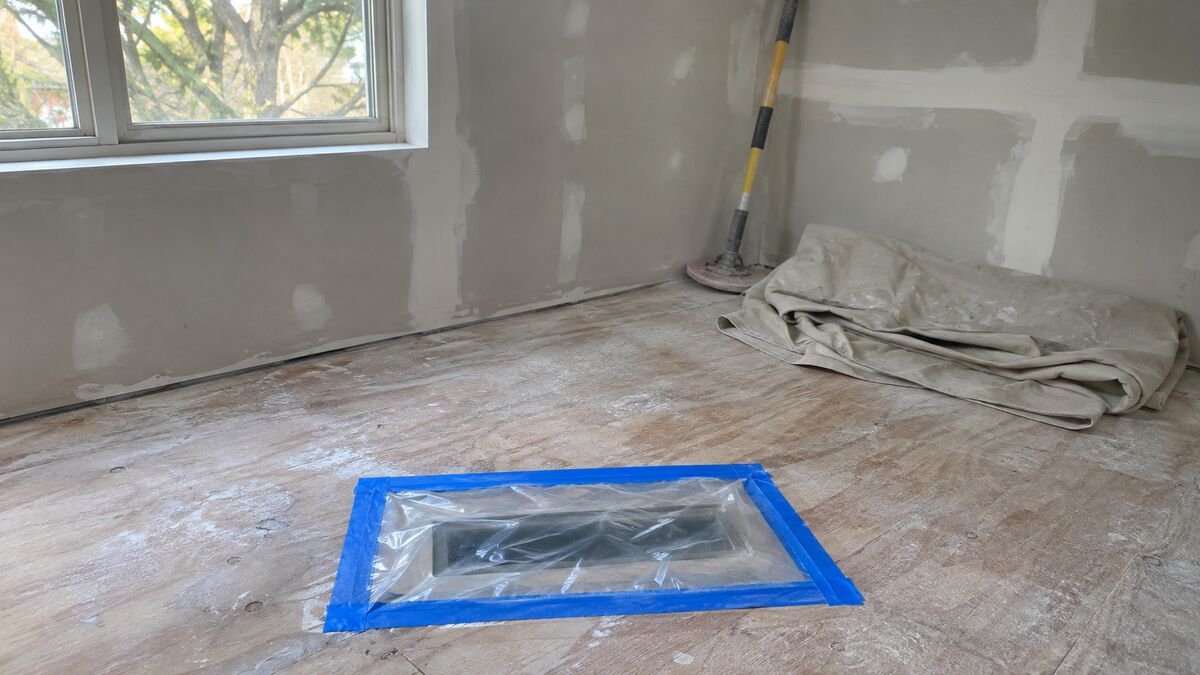
The EPA says to protect the system while the work is happening: "During construction or renovation work that produces dust in your home, seal off supply and return registers and do not operate the heating and cooling system until after cleaning up the dust."
For cleaning itself, the EPA's page, Should You Have the Air Ducts in Your Home Cleaned?, sets a high bar. It says "EPA does not recommend that air ducts be cleaned except on an as-needed basis because of the continuing uncertainty about the benefits of duct cleaning under most circumstances." It also says "a light amount of household dust in your air ducts is normal."
The EPA lists three cases where you should consider cleaning:
- "There is substantial visible mold growth inside hard surface (e.g., sheet metal) ducts or on other components of your heating and cooling system."
- "Ducts are infested with vermin, e.g. (rodents or insects)."
- "Ducts are clogged with excessive amounts of dust and debris and/or particles are actually released into the home from your supply registers."
The EPA does not name remodeling as a case. A remodel is one way the third case could happen if dust from the work gets into an unprotected system. That is our reasoning, not an EPA statement.
How Do I Protect My Ducts During a Remodel?
Seal the registers and keep the system off while the dust is being made. That is the EPA's guidance, and it may spare you the question later. Tell your contractor before the work starts, and ask how they plan to handle heat in the meantime.
Filters matter too. The EPA says "Change filters regularly" and "If your filters become clogged, change them more frequently." It also says to "be sure you do not have any missing filters and that air cannot bypass filters through gaps around the filter holder." See our guide to what MERV filter to use in a furnace, and our tips to lower dust in your house in winter.
When the work is done, clean up the dust before you turn the system back on. The EPA notes that vacuuming "can increase the amount of dust in the air during and after vacuuming as well as in your ducts," so it recommends "a high efficiency vacuum (HEPA) cleaner or the highest efficiency filter bags your vacuum cleaner can take."
What Signs Mean a Cleaning May Be Worth It?
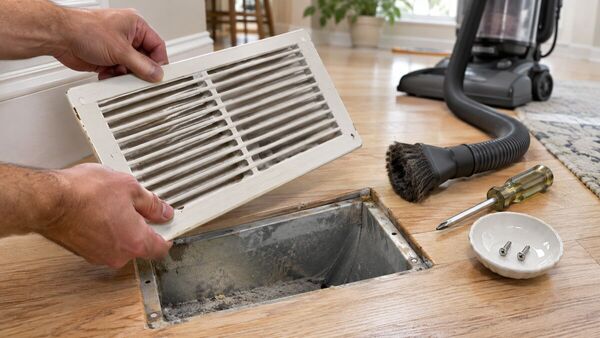
Look for what the EPA looks for: heavy buildup, mold or pests, not a dusty grille. The EPA says "It is normal for the return registers to get dusty as dust-laden air is pulled through the grate. This does not indicate that your air ducts are contaminated with heavy deposits of dust or debris; the registers can be easily vacuumed or removed and cleaned."
A cleaning may be worth considering if:
- Particles are actually coming out of your supply registers when the system runs
- You can see heavy deposits of dust and debris when you look inside a register
- You see substantial visible mold growth inside hard surface ducts, or signs of rodents or insects
If none of that applies, the EPA says that when no one in the household has allergies or unexplained symptoms and you see no large deposits of dust or mold (no musty odor or visible mold growth), "having your air ducts cleaned is probably unnecessary."
One caution on expectations. The EPA says "Duct cleaning has never been shown to actually prevent health problems." For mold or pests, the EPA says the cause must be corrected before cleaning "or else the problem will likely recur."
Seal the registers and keep the system off while the dust is being made.
Is Remodeling an Older Home Different?
It can be. Dust from an older home may involve more than drywall, and that is a question for the right professional, not a duct cleaner. The EPA says "Any renovation, repair or painting project in a pre-1978 home or building that has lead-based paint can easily create dangerous lead dust," and that its Renovation, Repair and Painting (RRP) Rule requires that anyone paid to perform work that disturbs painted surfaces in homes built before 1978 be certified. If you plan an RRP project in a pre-1978 home, the EPA recommends hiring a lead-safe certified contractor.
On asbestos, the EPA says you may want a trained and accredited asbestos professional to inspect your home if you are planning to remodel, noting that "remodeling can disturb building materials." The EPA also says "Taking samples yourself is not recommended." See the EPA's asbestos guidance. We clean ducts and dryer vents; we don't test for lead or asbestos.
Want to see what's in your ducts?
Request a free estimate — no obligation.
What Does a Duct Cleaning Involve?
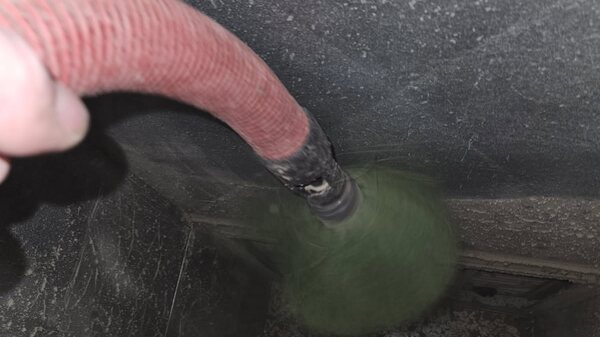
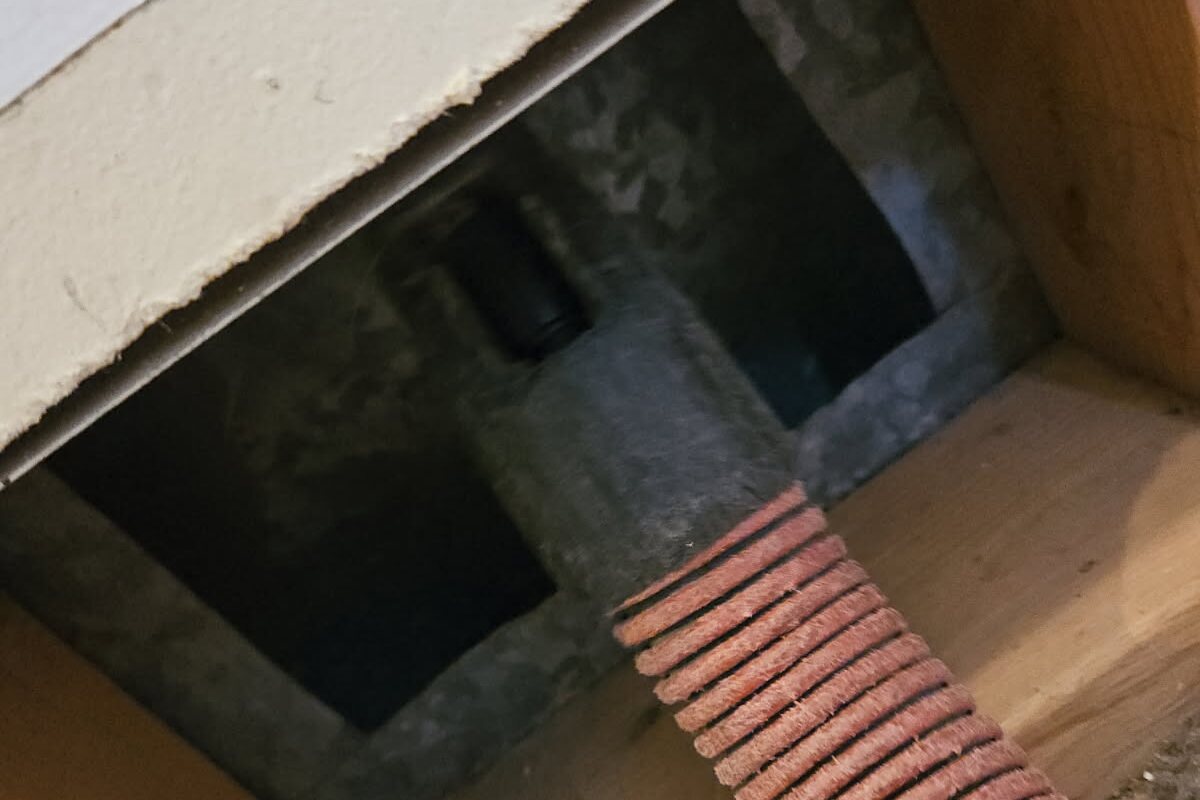
The EPA describes the typical method: "a service provider will use specialized tools to dislodge dirt and other debris in ducts, then vacuum them out with a high-powered vacuum cleaner." At MedCity, that means our Rotobrush system, a rotating brush paired with a HEPA-filtered vacuum, working through the ductwork. See our air duct cleaning page for the details, or is air duct cleaning worth it for the bigger picture. Thinking of doing it yourself? Read can I clean my own air ducts.
We clean the ductwork from the furnace out to the vents, and dryer vents. We do not clean the furnace blower or the evaporator coil; that needs a certified HVAC installer.
Frequently Asked Questions
Do I need my ducts cleaned after a remodel?
Usually not. The EPA does not recommend cleaning ducts except on an as-needed basis. It says to consider cleaning if there is substantial visible mold growth, the ducts are infested with vermin, or they are clogged with excessive amounts of dust and debris and/or particles are released into the home from your supply registers.
Is dust on my registers after a remodel a sign the ducts are dirty?
Not by itself. The EPA says it is normal for return registers to get dusty as dust-laden air is pulled through the grate, and that this does not indicate heavy deposits of dust or debris in the ducts. The registers can be easily vacuumed or removed and cleaned.
Will cleaning my ducts after a remodel improve my health?
We cannot promise that. The EPA says duct cleaning has never been shown to actually prevent health problems, and that studies do not conclusively show dust levels in homes go down after cleaning. If anyone in your home has allergies or unexplained symptoms, talk with your doctor.
Does MedCity Duct Cleaning clean the furnace blower or evaporator coil?
No. Cleaning the blower and evaporator coil needs a certified HVAC installer. We clean the ductwork from the furnace out to the vents, and dryer vents. You can request a quote online or call us.
How do I protect my ducts during a remodel?
The EPA says to seal off supply and return registers and not operate the heating and cooling system until after cleaning up the dust. Tell your contractor before the work starts, and ask how they plan to handle heat in the meantime.
Can I clean my registers myself after a remodel?
Yes. The EPA says registers can be easily vacuumed or removed and cleaned. It recommends a high efficiency vacuum (HEPA) cleaner or the highest efficiency filter bags your vacuum can take, because vacuuming can increase the amount of dust in the air.
How does MedCity quote a duct cleaning?
We quote online or over the phone based on your home's details, and a walk-through the day of your appointment confirms the quote before we begin.
How often should ducts be cleaned in general?
As a rule of thumb, we recommend every 3 to 5 years. That is our recommendation, not the EPA's. After a remodel, the EPA's conditions for cleaning (substantial visible mold, vermin, or excessive dust and debris) are the better test than the calendar.
Finished a remodel and not sure? Read about air duct cleaning, request a quote online, or call us at (507) 289-4039.
Sources
- Should You Have the Air Ducts in Your Home Cleaned?, U.S. Environmental Protection Agency
- Renovation, Repair and Painting Program, U.S. Environmental Protection Agency
- Protect Your Family from Exposures to Asbestos, U.S. Environmental Protection Agency
The MedCity Duct Cleaning Team
Locally owned and operated in Rochester, MN. We specialize in residential and commercial air duct and dryer vent cleaning using professional Rotobrush equipment.